Most advice on this topic jumps straight to bins and labels, as if every overcrowded unit has the same problem: bad organization. Sometimes that’s true. Just as often, the real issue isn’t how the unit is organized at all, it’s that there’s genuinely too much stuff for the space, and no shelving system fixes that. Before you spend a weekend emptying and restacking, it’s worth figuring out which situation you’re actually in.
The Short Answer
Reorganizing an overcrowded unit generally means emptying it completely, sorting and purging what you no longer need, grouping what’s left by category, and rebuilding the layout around a walkway and frequency of use, front-loading what you need often and pushing rarely used items to the back. That process works well when the underlying problem is a lack of system. If you empty the unit and realize everything you own genuinely doesn’t fit no matter how it’s arranged, the actual fix isn’t a better system, it’s a bigger unit.
Before You Start: Figure Out Why It Got This Way
Overcrowded units tend to happen for one of a few reasons, and the right fix depends on which one applies:
- The “just cram it in” habit. Something got returned to the unit after a partial move or a project, and instead of finding its proper place, it got wedged wherever there was a gap. Repeated enough times, this alone can turn an organized unit into chaos.
- No system was ever established. Items went in as they came, without categories, labels, or a layout, so every visit added a little more disorder on top of the last.
- Life added more than the unit was sized for. A unit that fit everything comfortably at move-in can genuinely be outgrown a year or two later as more gets added and little gets removed.
The first two are organization problems, and the process below will genuinely fix them. The third is a size problem, and it’s worth being honest with yourself about which one you’re facing before investing a weekend into reorganizing a unit that was never going to hold everything in it comfortably.
If It’s a System Problem: The Actual Reorganizing Process
If the unit’s contents would reasonably fit with a better setup, this is the process that actually works:
- Empty it completely. There’s no reliable way to reorganize around what’s already piled in. Pulling everything out is the only way to see what you actually have.
- Sort and purge as you go. This is the point to genuinely decide what’s worth keeping in storage versus what should be sold, donated, or discarded. An overcrowded unit is often carrying more dead weight than its owner realizes.
- Group what’s left by category, seasonal items together, furniture together, documents together, rather than by whatever order things happen to come out of a moving truck.
- Use uniform, clear containers where possible. Matching sizes stack more safely and predictably than a mismatched pile of boxes, and clear bins mean fewer boxes need to be opened just to find something.
- Label clearly on a side that faces out, not just the top, since most labels become useless the moment something else gets stacked on top of the box.
- Rebuild the layout around a walkway, and put whatever you access most often near the front rather than burying it behind everything else.
- Keep a simple inventory, even a basic list on your phone, so future visits don’t turn into a full excavation to confirm what’s actually in there.
If It’s a Size Problem: When Reorganizing Won’t Actually Fix It
Here’s the situation most organizing guides don’t want to admit exists: sometimes a unit is overcrowded because it’s simply too small for what’s being stored in it, and better bins won’t change that. A few signs point to this:
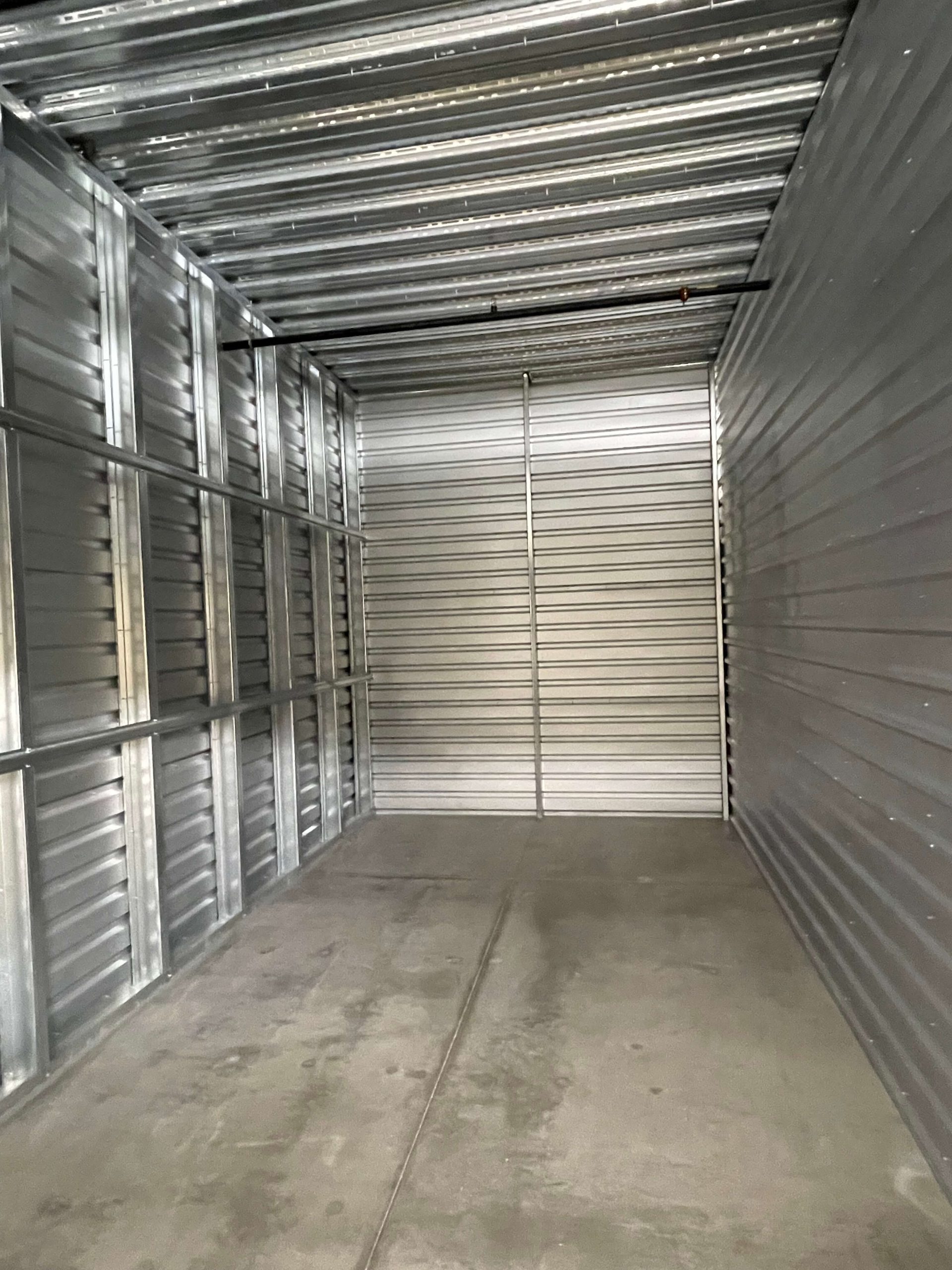
- You empty the unit and can’t create a walkway no matter how you arrange things.
- Boxes have to be stacked to the ceiling with no reasonable way to reach the ones near the top.
- You’ve stopped being able to identify what’s in the unit at all, because everything is packed too tightly to see or access.
If that describes your situation, the honest answer isn’t a better system, it’s more space. This is worth checking before you invest time reorganizing a unit that will always feel overcrowded. Our space estimator can help you figure out what size would actually fit everything comfortably, and moving into a larger unit is often simpler than people expect, particularly at a facility where you’re already a customer.
A Quick Note on Climate and Airflow
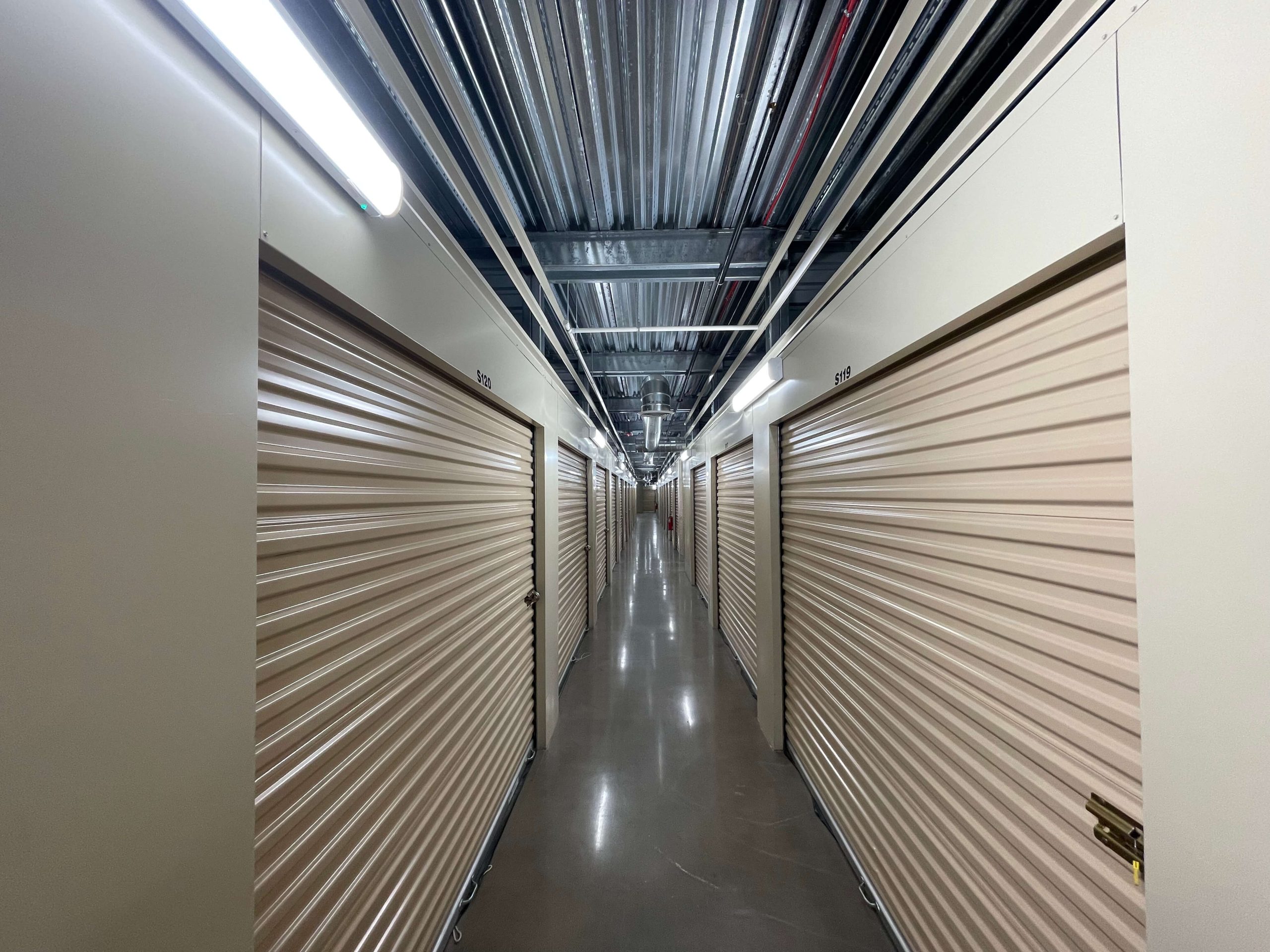
An overcrowded unit doesn’t just make things hard to find, it can also make heat-related damage harder to catch early. Items packed tightly against walls or each other block airflow and make it much harder to spot moisture, odor, or pest issues before they spread. We’ve covered how Arizona’s heat affects stored items in more detail elsewhere, but it’s worth knowing that a properly organized unit, with reasonable space between items, is easier to monitor for exactly the kinds of problems that show up faster in extreme heat.
Keeping It From Happening Again
Reorganizing once doesn’t guarantee the unit stays that way. A quick check-in every few months, not a full reorganization, just a look to confirm the walkway is still clear and nothing’s been crammed into a gap, is usually enough to prevent the slow slide back into clutter. We’ve covered a fuller approach to this in our guide on how often you should check on your storage unit.
When you do reorganize, keep basic safety in mind: unstable stacks of heavy or oddly shaped items are a genuine tip-over and injury risk, and the U.S. Consumer Product Safety Commission has general guidance on safe storage and stacking practices worth keeping in mind, particularly with anything heavy going up high.
Frequently Asked Questions
Should I empty my whole storage unit to reorganize it?
Yes, generally. It’s difficult to create a genuinely usable layout around whatever’s already piled up. Emptying it is the only reliable way to see what you actually have and rebuild a system that works.
How do I know if I need a bigger unit instead of just reorganizing?
If you empty the unit and still can’t create a clear walkway, or items have to be stacked with no reasonable way to access what’s near the top or back, that’s a sign the unit itself is too small for what you’re storing, not that your organization system is the problem.
What’s the best way to keep a storage unit from becoming overcrowded again?
Check in every few months, purge items you no longer need as you go rather than letting them accumulate, and resist the habit of cramming something into the first available gap instead of putting it back where it belongs.
Is it worth using shelving in a storage unit?
Yes, for most units. Freestanding shelving takes advantage of vertical space, keeps boxes off the floor, and prevents lighter boxes from being crushed under heavier ones stacked directly on top.
The Bottom Line
An overcrowded unit usually isn’t a mystery once you actually empty it out and look. Either the system was missing, in which case the process above genuinely fixes it, or the unit has been outgrown, in which case the honest move is sizing up rather than fighting the same battle every few months. Figuring out which one applies before you start saves a lot of wasted effort.
If reorganizing reveals that you’ve outgrown your current space, McDowell Mountain Community Storage offers a range of fully indoor, climate-controlled unit sizes, so moving up doesn’t have to mean starting over somewhere new. Explore our storage units in Scottsdale or call us at (602) 899-5484 to talk through the right size for what you’re storing.